
Gentle herbal learning for real-life homes
Learn Herbs A–Z—build your own cozy home apothecary, one herb at a time.
A beginner-friendly, story-rich guide to herbs from chamomile to yarrow—so you can brew, blend, and bottle simple home remedies with confidence and care (no medical jargon, no overwhelm).
Think of Learn Herbs A–Z as a friendly neighbor at the garden fence—sharing what each plant is known for, how to prepare it, and simple ways to invite it into your daily rituals.
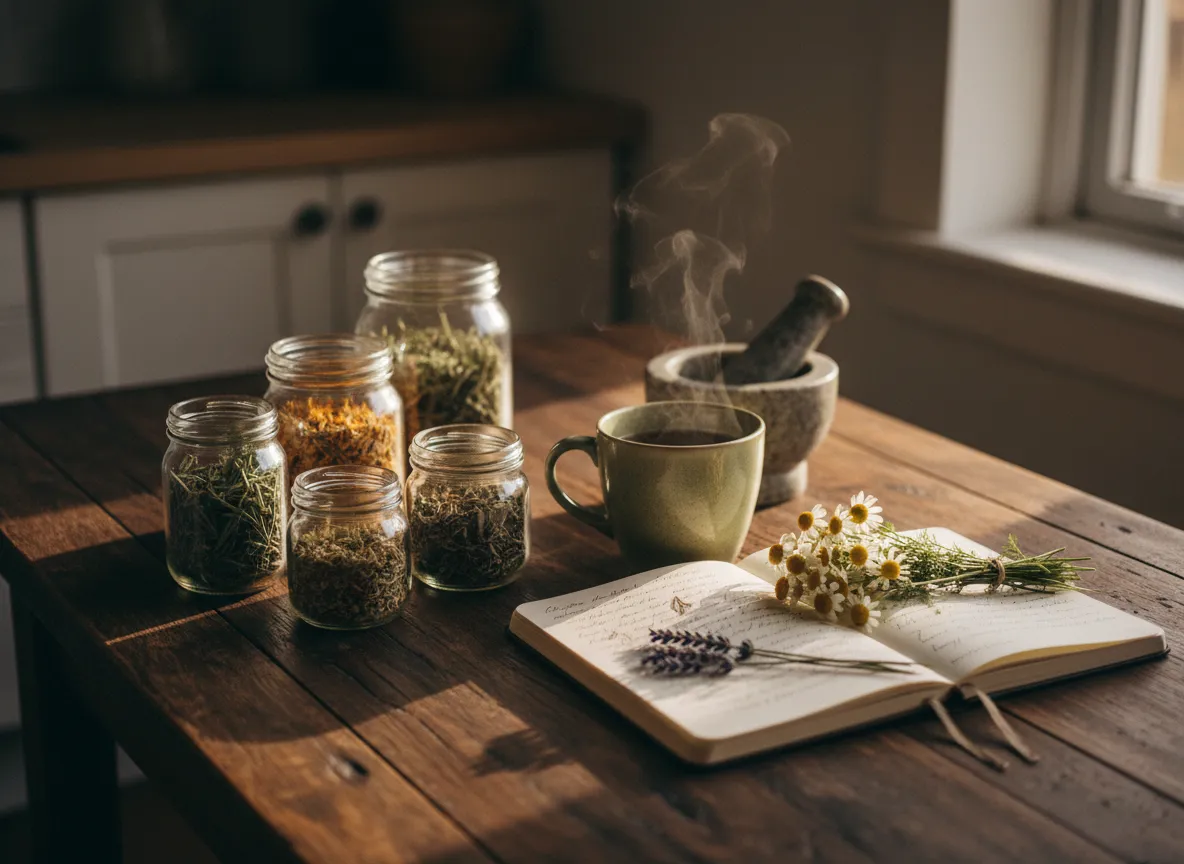
Inside each A–Z herb entry:
- A warm overview of the herb’s personality and history
- Traditional, non-medical folk uses
- Best preparation styles: teas, tinctures, oils, and more
- Beginner-friendly ways to use it at home
- Gentle cautions and when to pause
- Pairs-well-with ideas and a quick, practical tip
A gentle A–Z guide for budding herbalists
Instead of long, clinical monographs, Learn Herbs A–Z gives you approachable, story-centered entries that feel like recipes and letters from a trusted herbal friend. Each herb is introduced with what it’s traditionally known for, how people have used it in everyday life, and how you can safely welcome it into your own kitchen and home apothecary.
Important note: This resource is for educational, traditional, and folkloric information only. It is not medical advice, does not diagnose or treat any condition, and is not a substitute for professional care.
A peek inside the A–Z entries
Herbal spotlights for cozy, confident learning
Every herb follows the same friendly rhythm: overview, traditional uses, best preparations, simple home ideas, cautions, pairings, and a quick tip you can try this week.
Chamomile
Overview: A soft, apple-scented flower often found in bedtime blends and children’s teas, chamomile has long been a symbol of comfort and calm in the kitchen.
Traditional uses: Folk traditions have turned to chamomile for soothing the edges of a long day, easing a fussy mood, and inviting gentle rest.
Best preparations: Infusions (tea), honey infusions, and simple bath soaks.
Beginner home uses: Evening tea, cool compresses for tired eyes, and a small handful tied into a washcloth for a calming bath.
Cautions: Avoid if you have known allergies to plants in the daisy family (Asteraceae). Always listen to your body and discontinue if anything feels off.
Pairs well with: Lavender, lemon balm, oatstraw.
Quick tip: Steep a strong cup of chamomile tea, let it cool, and use it as a gentle rinse after washing your face in the evening.
Lavender
Overview: With its purple spikes and familiar scent, lavender is a beloved garden ally for bringing a sense of order and calm to both rooms and routines.
Traditional uses: Historically used in linen closets, bathhouses, and bedside sachets to freshen spaces and create a relaxing atmosphere.
Best preparations: Sachets, infused oils, bath salts, and light culinary use in baked goods and teas.
Beginner home uses: A small sachet under your pillow, a few blossoms in sugar for lavender sugar, or a lavender-infused oil to massage into feet before bed.
Cautions: A little goes a long way in teas and food. Essential oil is strong and should be used with care and proper dilution, or skipped entirely for beginners.
Pairs well with: Chamomile, rose, vanilla, and citrus peels.
Quick tip: Stir a pinch of dried lavender into a jar of coarse salt, shake well, and let sit a few days for a simple, fragrant bath salt.
Peppermint
Overview: Bright, cool, and lively, peppermint is the friend you call when you need a little more pep in your step and clarity in your mind.
Traditional uses: Commonly sipped after meals, used to freshen breath, and invited into steams to open and invigorate the senses.
Best preparations: Teas, simple syrups, infused vinegars, and steam inhalations.
Beginner home uses: Fresh-leaf tea, peppermint ice cubes for water, and a small handful tossed into homemade lemonade.
Cautions: Peppermint can feel too stimulating for some people. The essential oil is very strong and should be used gently and thoughtfully, or skipped in favor of whole herb tea.
Pairs well with: Fennel, lemon balm, ginger, and cacao.
Quick tip: Add a sprig of fresh peppermint to a small jar of honey. Let it infuse for a week, then stir a spoonful into warm (not hot) water for a refreshing sipping honey.
How Learn Herbs A–Z works
You don’t have to know Latin names or memorize long lists. Each herb entry is written in clear, welcoming language so you can read for a few minutes, pick one simple idea, and try it the same day.
- Browse herbs alphabetically or by theme (calming, uplifting, kitchen, seasonal).
- Open an herb and scan the overview to meet its personality and traditions.
- Choose a beginner-friendly home use and try it with what you already have.
- Note any cautions, listen to your body, and keep a simple herb journal.
- Slowly stock your pantry with a few trusted herbs you truly know and love.
What you’ll find inside
- Dozens of herbs covered in a consistent, easy-to-follow format
- Overview, traditional uses, and best preparations for each plant
- At-a-glance cautions for beginners and sensitive folks
- Pairing ideas to build simple, tasty blends at home
- Quick tips so every herb feels practical, not just theoretical
You’ll also receive gentle reminders throughout the guide that herbs are partners, not quick fixes—and that thoughtful, traditional use always comes before trend-driven shortcuts.
“I’ve bought dense herbal textbooks before and felt totally lost. Learn Herbs A–Z feels like sitting at a wooden kitchen table with a pot of tea while a friend explains, ‘Here’s how I really use this at home.’ I actually try the ideas instead of just skimming them.”
— Mae, beginner herbal enthusiast and new home apothecary keeper
Choose how you’d like to learn
Instant digital access so you can start exploring your first herb tonight.
Questions, steeped and answered
A few things folks like you often ask before beginning their herbal learning.
Is Learn Herbs A–Z a medical resource?
No. Learn Herbs A–Z is an educational, traditional, and folkloric guide only. It shares how herbs have been used historically in homes and kitchens, and offers ideas for simple, everyday preparations. It does not diagnose, treat, or prescribe for any condition and is not a substitute for professional medical advice or care.
I’m brand new to herbs. Will this be too advanced?
The guide was created specifically with beginners and warm-hearted enthusiasts in mind. You’ll find plain-language explanations, repeatable structures for each herb, and practical suggestions you can try with minimal equipment and simple ingredients.
Do I need special tools or a dedicated apothecary space?
Not at all. A few glass jars, a saucepan, a strainer, and a notebook are more than enough to begin. Many of the ideas use common kitchen tools and pantry items you likely already have.
How is this different from free information online?
Instead of scattered articles and conflicting advice, Learn Herbs A–Z gives you a calm, cohesive structure for exploring herbs. Each entry follows the same pattern—overview, traditional uses, preparations, cautions, pairings, and a quick tip—so you build understanding, not just a folder of bookmarks.
Can I access the guide on different devices?
Yes. The digital guide is designed to be read on phones, tablets, and computers so you can reference it at the kitchen counter, in the garden, or from your favorite reading chair.
Put the kettle on—your herbal learning is waiting.
Open your first herb entry tonight and start building a home apothecary that feels grounded, gentle, and deeply your own.
Educational only. Not medical advice. Always consult qualified care providers for questions about your health.