
Peppermint
A strongly aromatic mint-family herb traditionally used in teas, water infusions, infused oils, salves, and other refreshing household preparations.
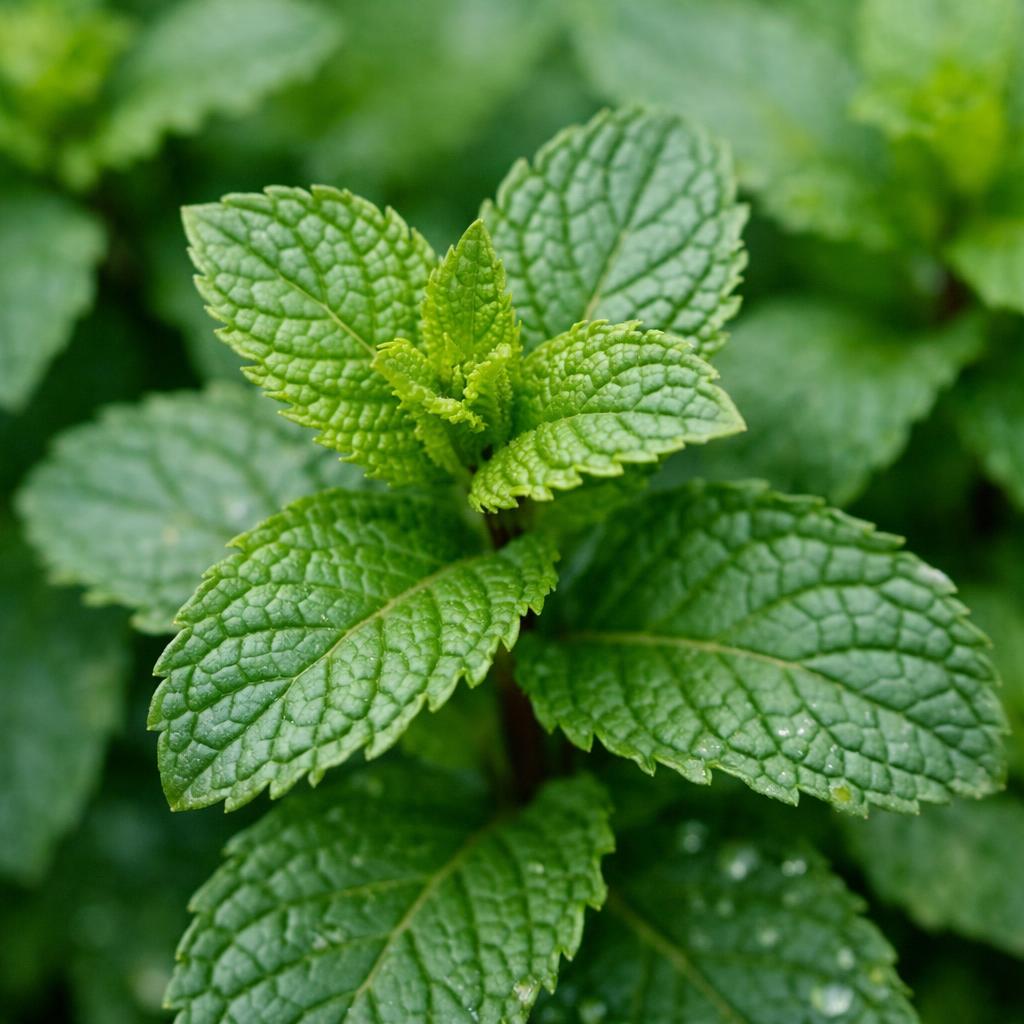
Meet Peppermint
A Distinctly Aromatic Mint
Peppermint is a hybrid mint known for its crisp fragrance and characteristic menthol-rich aroma. The leaves are the primary part used in household herbal preparations.
Fresh or Dried
Fresh leaves work well in short-lived water preparations, while dried leaves are easy to store and are the better choice for simple infused oils intended for longer keeping.
Why Herbalists Reach for Peppermint
The Leaves
For Tea & Water Infusions
Fresh or dried leaves may be steeped in hot water and strained before use. The flavor becomes strong quickly, so follow the strength appropriate for your recipe.
For Infused Oil
Use thoroughly dried peppermint leaves so you do not introduce unnecessary moisture into the carrier oil.
Ways to Prepare Peppermint
Tea
Steep fresh or dried peppermint leaves in hot water and strain before drinking. If peppermint seems to aggravate heartburn or reflux, choose another herb.
Infused Oil
Infuse thoroughly dried peppermint leaves in carrier oil using a traditional slow method or an appropriate controlled-warmth method.
Salve or Balm
Combine finished peppermint-infused oil with beeswax to make a simple aromatic topical preparation.
Water Infusion or Rinse
Steep leaves in hot water, strain, cool completely, and use the preparation fresh rather than storing it like an oil or alcohol tincture.
Leaf Preparations vs. Peppermint Essential Oil
Peppermint Leaf
Tea, water infusions, and carrier oils infused with peppermint leaf are traditional herbal preparations and are far less concentrated than essential oil.
Peppermint Essential Oil
Essential oil is highly concentrated and requires separate dilution and safety guidance. It should not be substituted drop-for-drop for peppermint-infused oil.
Good to Know
Mint in Scripture
Mint is mentioned directly in the New Testament. Jesus refers to the careful tithing of small garden herbs while emphasizing that outward details should not replace justice, mercy, faithfulness, and love of God.
Guides & Tools
Practical herbal education, infused oils, natural wellness tools, and home apothecary resources designed to help you create effective herbal remedies with confidence.
Privacy Policy
Terms & Conditions
Disclaimer
Affiliate Disclosure
Medical Disclaimer
Returns/Refund Policy
Contact
YouTube
Email Newsletter
© 2026 Gathered Remedies • All Rights Reserved
Educational purposes only.
This website does not provide medical advice.
“Helping modern herbalists create practical remedies through infused oils, herbal education, and home apothecary tools.”