
Hyssop
An aromatic plant named repeatedly in Scripture in connection with Passover, ceremonial cleansing, repentance, and the crucifixion account.
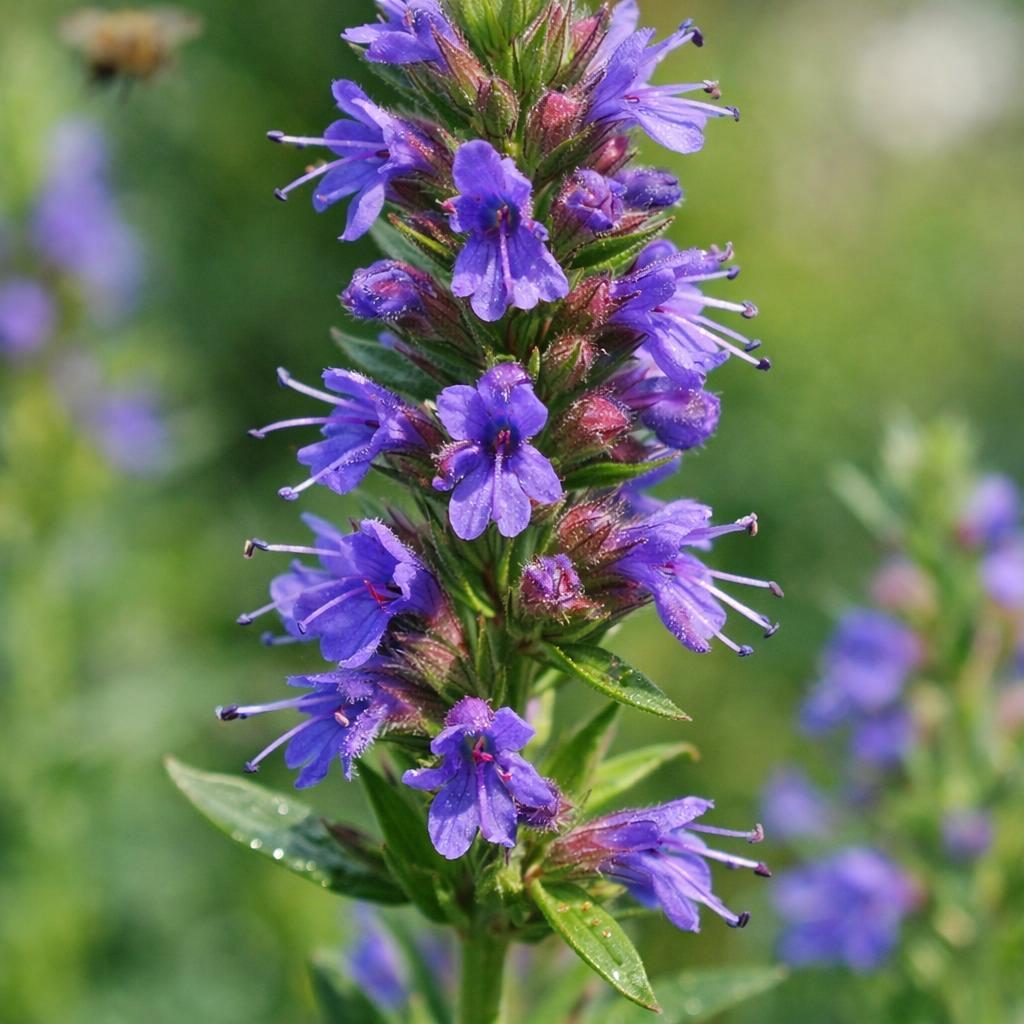
Meet Biblical Hyssop
An Important Plant in Scripture
Hyssop appears repeatedly in biblical passages involving sprinkling, purification, Passover, repentance, and the crucifixion narrative.
The Exact Species Is Uncertain
The plant translated as “hyssop” in English Bibles is not securely identified with the European herb sold today as Hyssopus officinalis. Various Middle Eastern aromatic plants have been proposed, including Origanum syriacum.
Where Hyssop Appears in Scripture
Hyssopus officinalis Is a Different Question
Modern Herb Trade
The herb commonly sold today as hyssop is usually Hyssopus officinalis, an aromatic member of the mint family. Its leaves and flowering tops are used in modern herbal preparations.
Do Not Equate the Names Automatically
It may be useful to study modern hyssop as an herb, but that does not prove that Hyssopus officinalis is the same plant referenced in biblical passages.
Modern Hyssop Preparations
Herbal Tea
Dried Hyssopus officinalis leaves and flowering tops are used in modern herbal tea traditions. Follow a specific herb formula rather than assuming one universal strength.
Infused Oil
For a topical oil made from thoroughly dried modern hyssop leaves or flowering tops, the Gathered Remedies leaf/aerial-parts guide may be used as a formulation starting point.
Tincture
Modern hyssop may also be prepared as an alcohol extract. Use herb-specific tincture guidance rather than assuming a universal ratio or heated-alcohol method.
Water Infusion
Dried herb can be steeped in hot water and strained. Make water-based preparations fresh rather than storing them like an alcohol tincture.
Do Not Confuse Herb With Essential Oil
Dried Herb
Tea, tincture, and infused carrier oil use the actual dried plant material and are much less concentrated than distilled essential oil.
Hyssop Essential Oil
Essential oil is highly concentrated and has separate safety considerations. It should not be substituted drop-for-drop for an herbal infusion or infused carrier oil.
Good to Know
Hyssop as a Biblical Image
Whatever its precise botanical identity, hyssop clearly carries a strong biblical association with cleansing and purification. That symbolism is especially memorable in David’s prayer for inward cleansing.
Guides & Tools
Practical herbal education, infused oils, natural wellness tools, and home apothecary resources designed to help you create effective herbal remedies with confidence.
Privacy Policy
Terms & Conditions
Disclaimer
Affiliate Disclosure
Medical Disclaimer
Returns/Refund Policy
Contact
YouTube
Email Newsletter
© 2026 Gathered Remedies • All Rights Reserved
Educational purposes only.
This website does not provide medical advice.
“Helping modern herbalists create practical remedies through infused oils, herbal education, and home apothecary tools.”