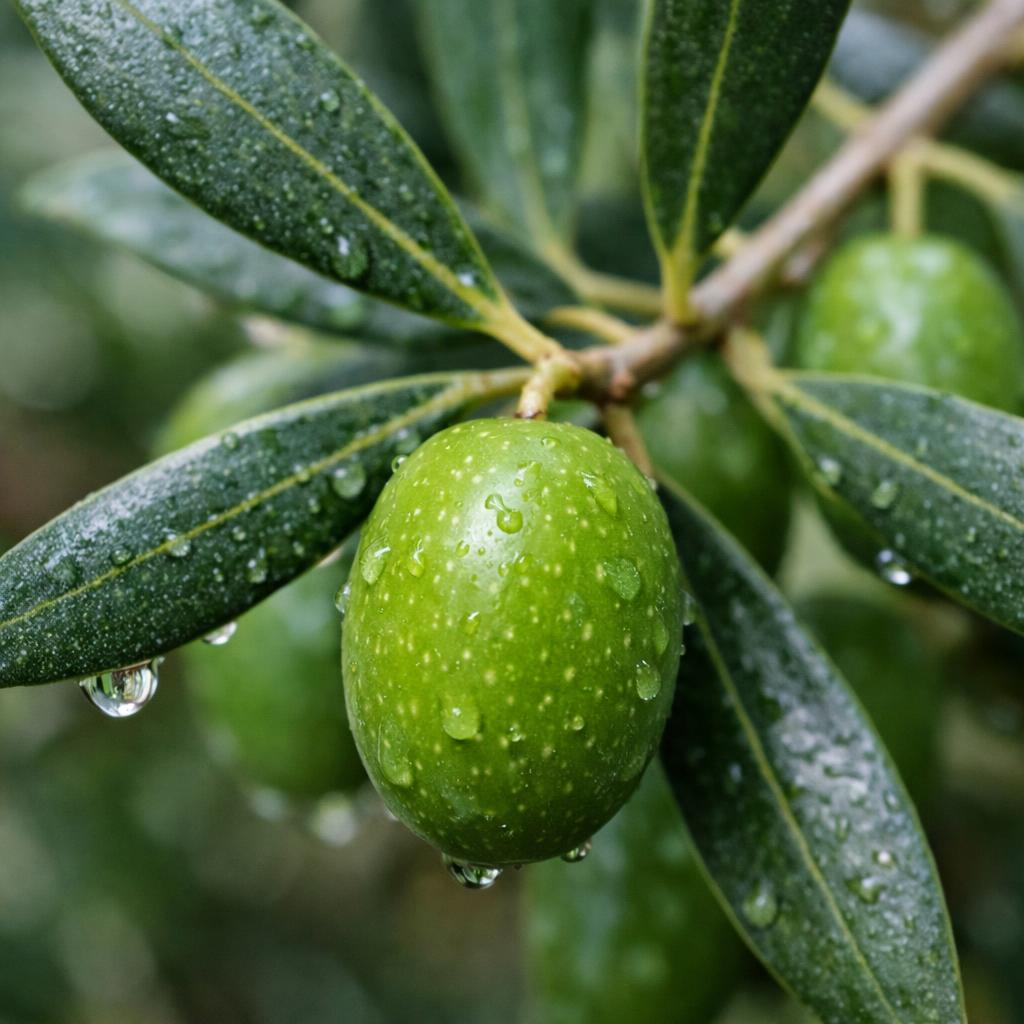
Olive
The most-mentioned plant in the entire Bible — and the very symbol of peace.
🌿 Meet Olive
No plant is named more often in Scripture than the olive. From the dove returning to Noah with an olive leaf after the flood, to the oil used to anoint Israel’s kings and priests, to the olive groves of Gethsemane where Jesus prayed the night before His crucifixion, this single tree threads through the entire biblical narrative.
Olive oil served as fuel for temple lamps, a base for sacred anointing oil, a cooking staple, and a skin-care remedy all at once — making it perhaps the single most practically essential plant product in the ancient world. Today, it remains both a kitchen staple and one of the most heavily studied oils in modern nutrition and skin-care research.
✦ Why It's Remembered
Olive carries a long history in Scripture and folk tradition. Here's what it's most known for.
📜 What Olive Is Known For
Shared for educational and historical interest, not as medical advice.
🔬 Key Properties & Constituents
A little of the "why" behind the tradition.
Olive oil contains oleocanthal, a compound researchers have studied for anti-inflammatory activity comparable in some lab research to mild over-the-counter pain relievers, along with a rich profile of polyphenols and healthy monounsaturated fats. It’s also the most common carrier oil used throughout herbalism today — the base into which countless other herbs, including calendula and plantain, are infused.
🧴 Best Uses
Pairs Well With
💡 A Simple Way to Begin
If you’re just starting out, olive oil is likely already your go-to carrier oil for every infusion on this site — it’s gentle, shelf-stable, and steeped in more biblical history than any other plant product mentioned in Scripture.
⚗️ How to Prepare Olive
Carrier / Base Oil
Used as the base for nearly all herbal infused oils, including calendula and plantain.
Leaf Infusion
Steep dried olive leaf in hot water, or infuse in oil at 110°F for 3 hours.
Skin Care
Used directly, or blended with other infused oils, as a simple traditional moisturizer.
🛡️ Safety & Considerations
⚠ Before You Begin
- Olive oil is very well tolerated by most people, with few safety concerns for topical or culinary use.
- Patch-test any new infused blend on a small area first.
- Choose high-quality, food-grade olive oil for both culinary and herbal infusion purposes.
- If pregnant, nursing, or managing a health condition, check with a qualified healthcare provider before significant dietary changes.
✝️ A Biblical Connection
The olive tree’s reach across Scripture is unmatched. It opens with the dove’s olive branch after the flood, runs through the holy anointing oil that consecrated Israel’s priests and kings, and closes near the end of Jesus’s earthly ministry in the garden of Gethsemane — a name that means "oil press" — where He prayed in anguish the night before His crucifixion. Few plants carry as much theological weight, or as much everyday usefulness, across the entire span of the biblical story.
Related Herbs
Ready to Make Something?
Choose a method guide and put your herbs to work.
Herbal Infused Oils
The complete Gathered Remedies guide — ingredients, Infuzium settings, and step-by-step method.
Read the Guide →Healing Salves
Turn your infused oil into a beautiful, spreadable salve with just beeswax and a few simple steps.
Read the Guide →Biblical Herbs Hub
Explore the full library of scripture-named plants, their history, and their healing traditions.
Explore the Hub →