
Calendula
A bright, resinous flower long used in traditional home-apothecary preparations, especially infused oils, salves, washes, and teas.
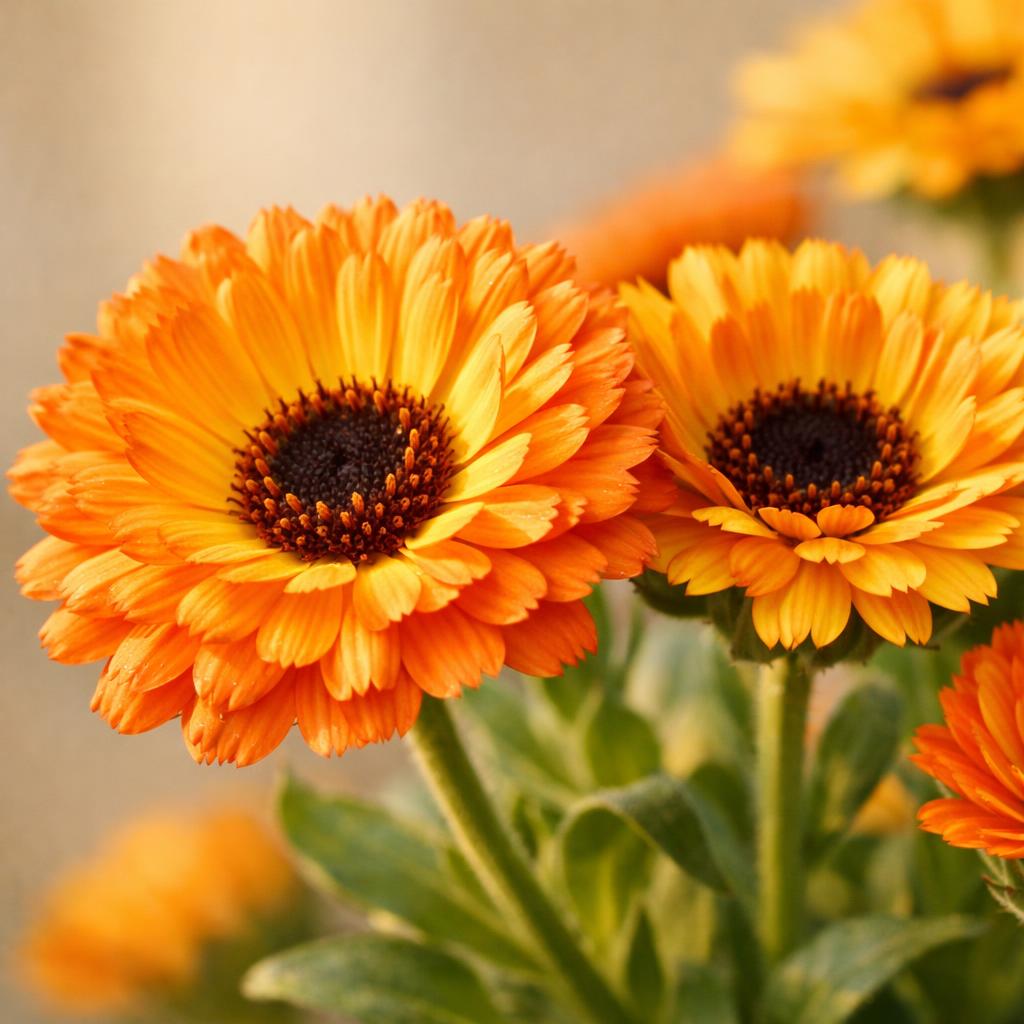
Meet Calendula
A Familiar Apothecary Flower
Calendula, often called pot marigold, has a long history in European and home-herbal traditions. The flower heads and petals are the parts most commonly used.
Especially Useful in Topical Preparations
Calendula is frequently prepared as an infused oil and then used directly or turned into salves, balms, and other simple skin-care preparations.
Why Herbalists Reach for Calendula
Flowers & Flower Heads
For Infused Oil
Use thoroughly dried calendula. Introducing fresh-plant moisture into an oil can shorten storage life and increase spoilage concerns.
Whole Flowers or Petals?
Whole dried flower heads or petals may be used depending on the preparation. Avoid grinding them unnecessarily fine when you plan to strain the finished oil.
Ways to Prepare Calendula
Infused Oil
Infuse thoroughly dried calendula in a carrier oil using a traditional slow method or an appropriate controlled-warmth method.
Salve
Combine finished calendula-infused oil with beeswax to make a semi-solid topical preparation.
Tea or Wash
Dried flowers can be steeped in hot water. A cooled infusion may also be used as a simple herbal wash.
Tincture
Calendula can also be prepared as an alcohol extract. Use herb-specific tincture guidance rather than assuming one ratio fits every botanical.
Good to Know
A Garden Reminder
Calendula is not named directly in Scripture, but its bright, persistent blooms fit naturally into a faith-centered garden as a reminder of provision, beauty, and stewardship.
Recipes & Tools
Practical herbal education, infused oils, natural wellness tools, and home apothecary resources designed to help you create effective herbal remedies with confidence.
Privacy Policy
Terms & Conditions
Disclaimer
Affiliate Disclosure
Medical Disclaimer
Returns/Refund Policy
Contact
YouTube
Email Newsletter
© 2026 Gathered Remedies • All Rights Reserved
Educational purposes only.
This website does not provide medical advice.
“Helping modern herbalists create practical remedies through infused oils, herbal education, and home apothecary tools.”