
Plantain
A common broadleaf plant with a long history of use in traditional topical preparations, especially infused oils, salves, washes, and simple fresh-leaf applications.
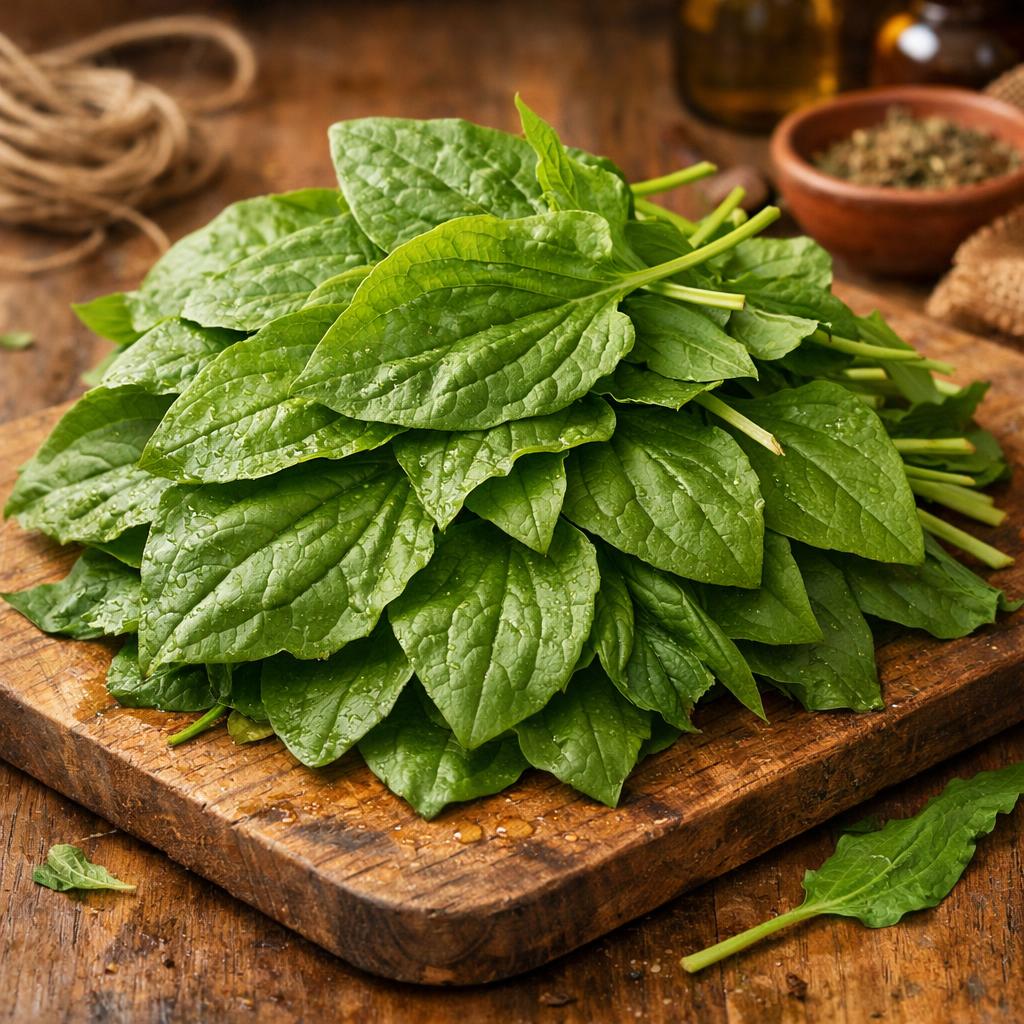
Meet Plantain
A Common Plant With a Long Herbal History
Broadleaf plantain commonly grows in lawns, paths, field edges, and other disturbed ground. The leaves have been used in household and folk-herbal traditions for generations.
Fresh or Dried Leaves
Fresh leaves are used in some traditional preparations, while thoroughly dried leaves are better suited to oil infusions and longer-term storage.
Why Herbalists Reach for Plantain
The Leaves
For Infused Oil
Use thoroughly dried plantain leaves. Fresh leaves contain significant moisture, which can shorten storage life and complicate an oil infusion.
For Fresh Preparations
If harvesting fresh plantain, identify the plant carefully and gather only from clean areas away from roadside contamination, herbicides, pesticides, pet waste, or other obvious sources of contamination.
Ways to Prepare Plantain
Infused Oil
Infuse thoroughly dried leaves in a carrier oil using a traditional slow method or an appropriate controlled-warmth method.
Salve or Balm
Combine finished plantain-infused oil with beeswax, either alone or with another infused oil such as calendula.
Fresh Poultice-Style Use
A traditional approach uses a clean, correctly identified fresh leaf that is crushed or mashed before topical application. Avoid applying homemade preparations to deep wounds, punctures, serious burns, or areas showing signs of infection.
Tea or Herbal Wash
Dried leaves may be steeped in hot water. A cooled, freshly made infusion may also be used as a simple herbal wash.
Good to Know
A Reflection on Provision
Plantain is not named directly in Scripture. Its ability to grow in ordinary, overlooked places can still serve as a simple garden reminder of provision and the usefulness found throughout creation.
Recipes & Tools
Practical herbal education, infused oils, natural wellness tools, and home apothecary resources designed to help you create effective herbal remedies with confidence.
Privacy Policy
Terms & Conditions
Disclaimer
Affiliate Disclosure
Medical Disclaimer
Returns/Refund Policy
Contact
YouTube
Email Newsletter
© 2026 Gathered Remedies • All Rights Reserved
Educational purposes only.
This website does not provide medical advice.
“Helping modern herbalists create practical remedies through infused oils, herbal education, and home apothecary tools.”