
Lemon Balm
A lemon-scented mint-family herb traditionally used in teas, tinctures, infused oils, salves, and simple household preparations.
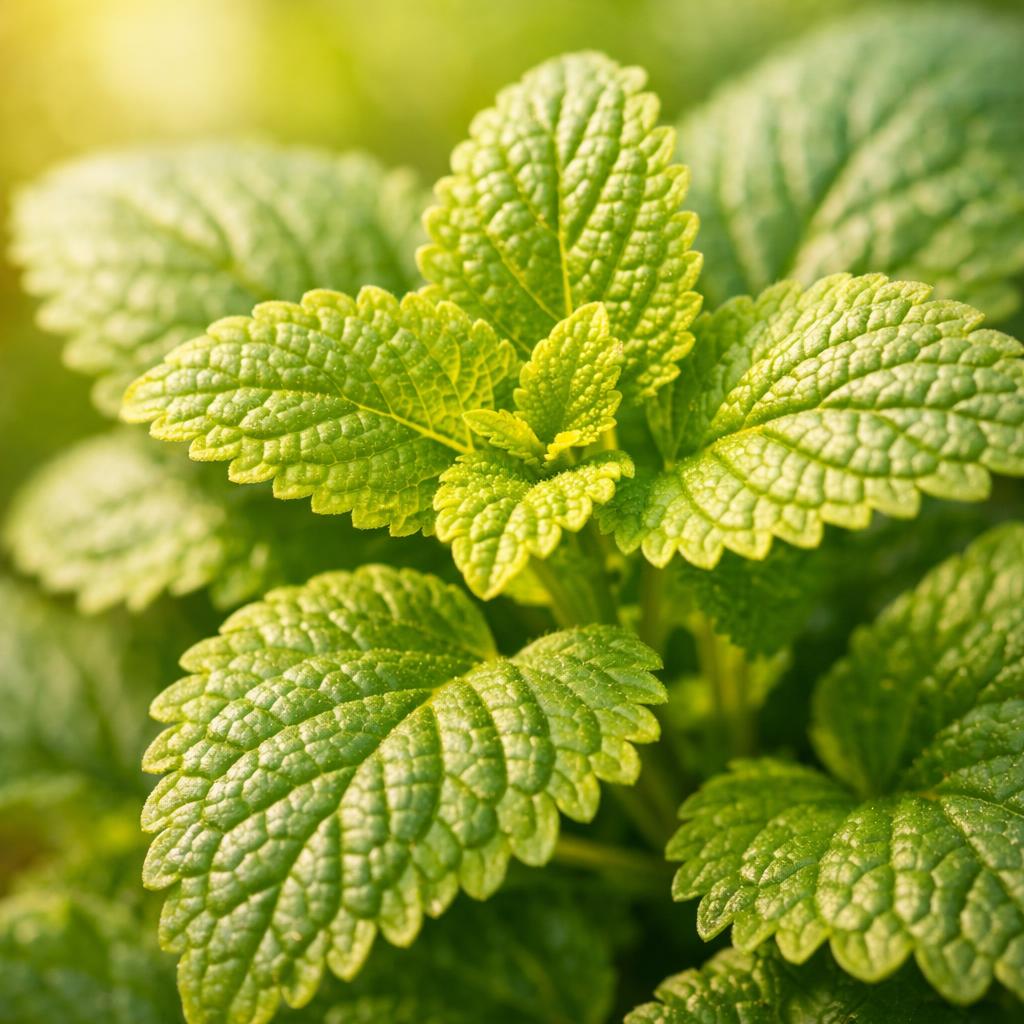
Meet Lemon Balm
A Bright, Lemony Member of the Mint Family
Fresh lemon balm leaves release a distinct citrus-like fragrance when rubbed or brushed. Its botanical genus name, Melissa, is associated historically with bees and honey.
Fresh or Dried
The leaves and tender aerial parts may be used fresh in some preparations or dried for teas, oil infusions, and longer storage.
Why Herbalists Reach for Lemon Balm
Leaves & Tender Aerial Parts
For Tea or Tincture
Fresh or dried leaves may be used depending on the formula. Fresh herb contains substantially more water, which matters when choosing alcohol strength for tinctures.
For Infused Oil
Use thoroughly dried lemon balm to reduce the moisture introduced into the carrier oil and make the preparation easier to store.
Ways to Prepare Lemon Balm
Tea
Steep fresh or dried lemon balm leaves in hot water and strain before use. Adjust strength and steep time according to the recipe you are following.
Tincture
Lemon balm can be prepared as a traditional alcohol tincture using fresh or dried herb. Because fresh plant material contributes water, the ratio and alcohol strength may differ from a dried-herb formula.
Infused Oil
Infuse thoroughly dried lemon balm in carrier oil using a traditional slow method or an appropriate controlled-warmth method.
Salve or Balm
A finished lemon-balm-infused oil can be combined with beeswax to make a simple semi-solid topical preparation.
Good to Know
A Reflection on Gladness
Lemon balm is not named directly in Scripture. Its bright fragrance and long-standing association with bees and gardens can still make it a fitting reminder of gratitude, gladness, and the small gifts found in creation.
Recipes & Tools
Practical herbal education, infused oils, natural wellness tools, and home apothecary resources designed to help you create effective herbal remedies with confidence.
Privacy Policy
Terms & Conditions
Disclaimer
Affiliate Disclosure
Medical Disclaimer
Returns/Refund Policy
Contact
YouTube
Email Newsletter
© 2026 Gathered Remedies • All Rights Reserved
Educational purposes only.
This website does not provide medical advice.
“Helping modern herbalists create practical remedies through infused oils, herbal education, and home apothecary tools.”