
Rosemary
A fragrant mint-family herb used in cooking and traditional home-apothecary preparations, especially infused oils, hair and scalp blends, rinses, and aromatic body products.
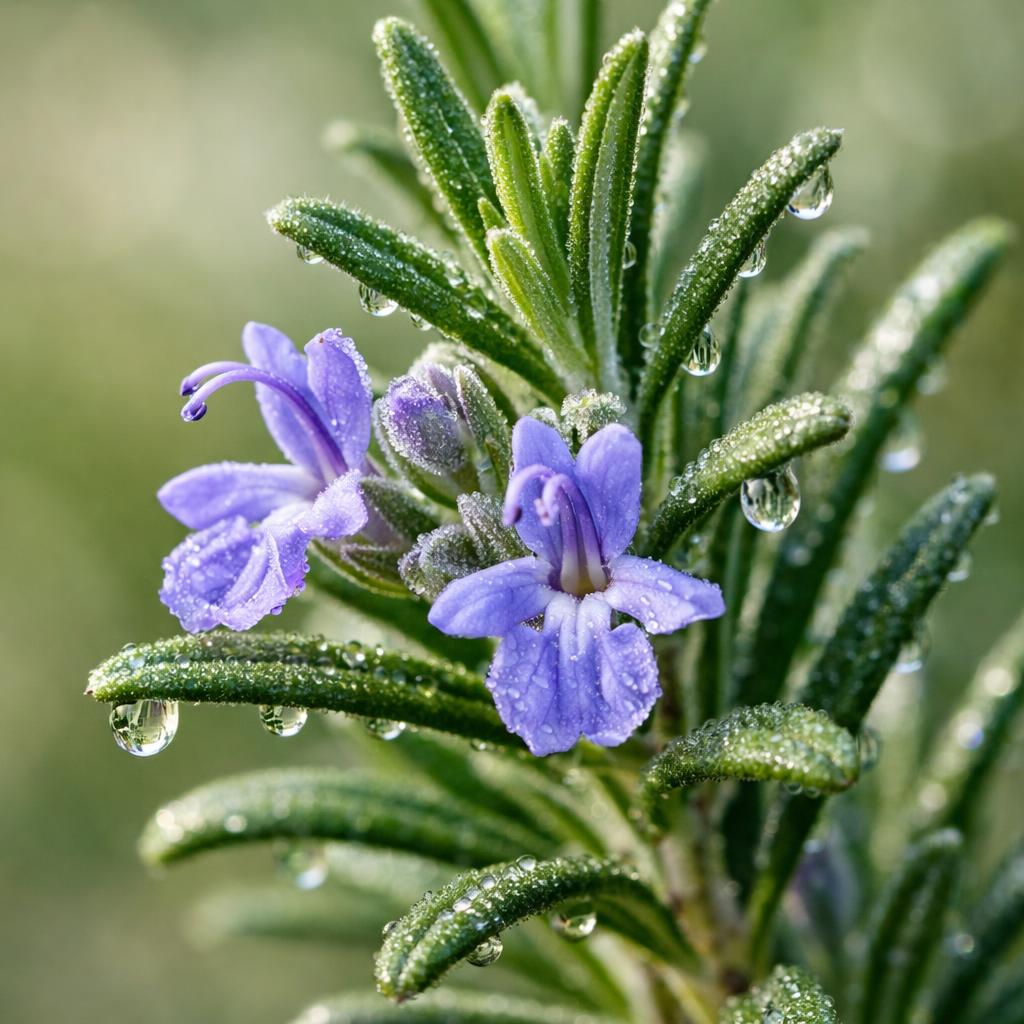
Meet Rosemary
An Aromatic Kitchen & Apothecary Herb
Rosemary is an evergreen shrub with narrow, strongly aromatic leaves. It has long been used in culinary traditions as well as in household herbal preparations.
Fresh or Dried
Fresh leaves are useful in cooking and some water-based preparations. For a simple oil infusion intended for storage, thoroughly dried rosemary is the easier home-apothecary choice.
Why Herbalists Reach for Rosemary
The Leaves
For Infused Oil
Use thoroughly dried rosemary leaves. Lightly crushing or cutting the dried leaves increases surface area without making the finished oil unnecessarily difficult to strain.
For Water Preparations
Fresh or dried rosemary may be steeped in hot water for a rinse or other short-lived water preparation. Make these fresh rather than storing them like an oil or alcohol tincture.
Ways to Prepare Rosemary
Infused Oil
Infuse thoroughly dried rosemary leaves in a carrier oil using a traditional slow method or an appropriate controlled-warmth method.
Hair & Scalp Oil
Blend rosemary-infused oil with lighter carrier oils such as jojoba, MCT/fractionated coconut, or avocado oil for a cosmetic hair and scalp preparation.
Herbal Rinse
Steep rosemary in hot water, strain well, cool completely, and use the freshly prepared liquid as a hair rinse.
Salve or Balm
Rosemary-infused oil may be combined with beeswax to make an aromatic semi-solid topical preparation.
Do Not Treat Every Rosemary Product the Same
Herbal Infused Oil
This page focuses on carrier oil that has been infused with rosemary leaves. It is a much less concentrated preparation than rosemary essential oil.
Rosemary Essential Oil
Essential oil is highly concentrated and requires separate dilution and safety guidance. Do not substitute it drop-for-drop for rosemary-infused oil in a recipe.
Good to Know
A Reflection on Remembrance
Rosemary is not named directly in Scripture. Its long cultural association with remembrance can still make it a fitting garden reminder to remember what is good, faithful, and worth carrying forward.
Recipes & Tools
Practical herbal education, infused oils, natural wellness tools, and home apothecary resources designed to help you create effective herbal remedies with confidence.
Privacy Policy
Terms & Conditions
Disclaimer
Affiliate Disclosure
Medical Disclaimer
Returns/Refund Policy
Contact
YouTube
Email Newsletter
© 2026 Gathered Remedies • All Rights Reserved
Educational purposes only.
This website does not provide medical advice.
“Helping modern herbalists create practical remedies through infused oils, herbal education, and home apothecary tools.”