
Lavender
A highly aromatic mint-family herb traditionally used in teas, infused oils, salves, sachets, baths, and other fragrant household preparations.
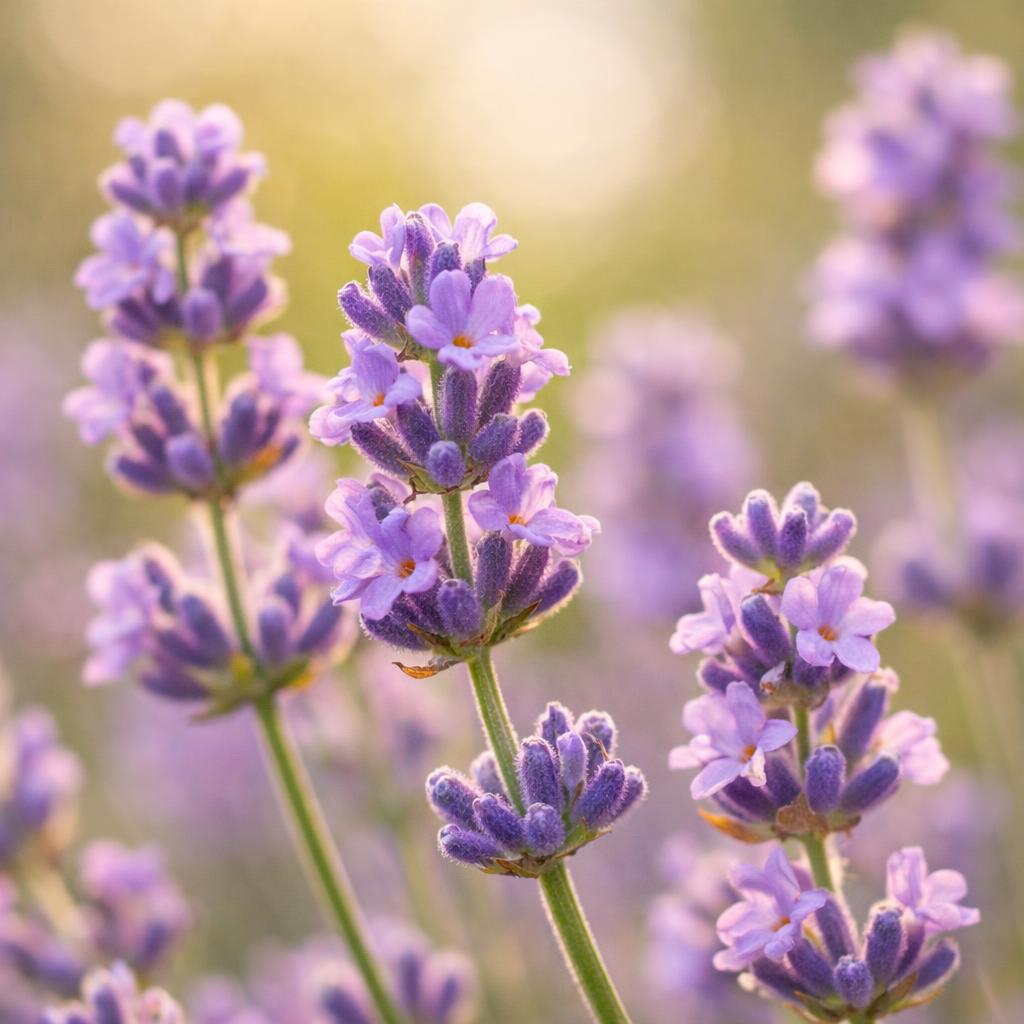
Meet Lavender
An Aromatic Garden Favorite
Lavender is widely recognized for its silvery foliage, purple flower spikes, and distinctive fragrance. The dried flowers and buds are commonly kept in the home apothecary.
Useful Beyond the Apothecary
Lavender is equally at home in household sachets, bath blends, body oils, teas, and simple topical preparations.
Why Herbalists Reach for Lavender
Flowers & Flower Buds
For Infused Oil
Use thoroughly dried lavender flowers or buds. Avoid introducing fresh-plant moisture into a simple oil infusion when the goal is a longer-lasting preparation.
For Tea & Sachets
Dried buds are easy to measure, store, and strain. Lavender has a strong flavor and aroma, so many blends use it in relatively small amounts.
Ways to Prepare Lavender
Infused Oil
Infuse thoroughly dried lavender in a carrier oil using a traditional slow method or an appropriate controlled-warmth method.
Salve or Balm
Lavender-infused oil can be combined with beeswax to make a fragrant semi-solid topical preparation.
Tea
A small amount of culinary-grade dried lavender can be steeped alone or blended with other herbs. Its flavor can become strong quickly.
Sachet or Bath Bag
Fill a small breathable cloth bag with dried buds for drawers, linens, bedside use, or a simple aromatic bath preparation.
Good to Know
A Reflection on Fragrance
Lavender itself is not named in Scripture. Its fragrance can still serve as a simple garden reminder of the many biblical passages in which fragrant oils, spices, and offerings are associated with devotion and worship.
Guides & Tools
Practical herbal education, infused oils, natural wellness tools, and home apothecary resources designed to help you create effective herbal remedies with confidence.
Privacy Policy
Terms & Conditions
Disclaimer
Affiliate Disclosure
Medical Disclaimer
Returns/Refund Policy
Contact
YouTube
Email Newsletter
© 2026 Gathered Remedies • All Rights Reserved
Educational purposes only.
This website does not provide medical advice.
“Helping modern herbalists create practical remedies through infused oils, herbal education, and home apothecary tools.”