
Elderberry
A dark-fruited elder traditionally used in cooked syrups and other food-style preparations, with the flowers used separately in teas and infusions.
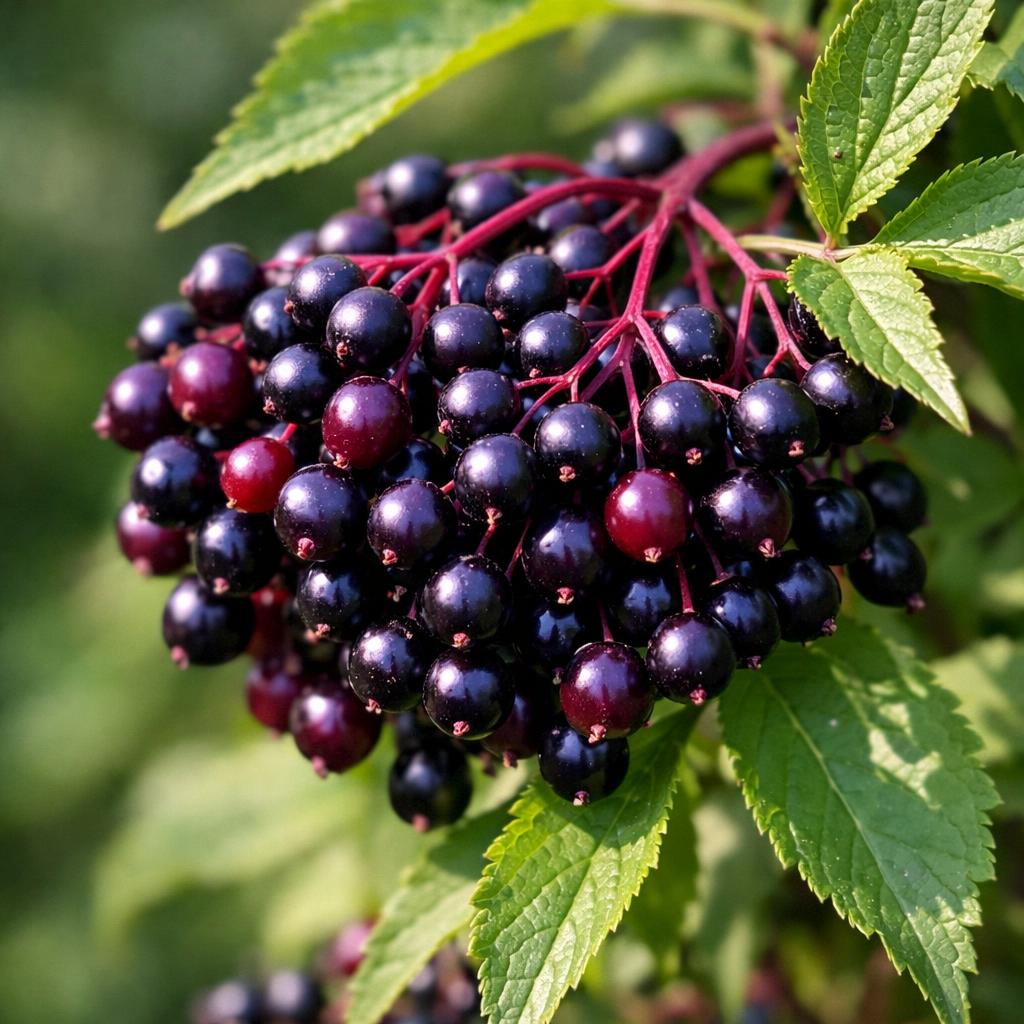
Meet Elderberry
A Hedgerow Shrub With Two Distinct Herbal Parts
Elder produces clusters of small flowers followed later by dark berries. The flowers and berries are treated as separate herbal materials and are prepared differently.
The Berries Are a Cooked Preparation
For the home apothecary, elderberries are best approached as a cooked berry ingredient for syrup and similar preparations rather than as an infused-oil herb.
Why Herbalists Reach for Elder
Berries and Flowers Are Different
Ripe Berries
Use properly identified ripe berries for cooked preparations. Remove as much stem material as practical before cooking and follow a tested preparation method.
Flowers
Dried elderflowers can be steeped in hot water as a separate herbal tea. Do not assume that a berry recipe and a flower recipe are interchangeable.
Ways to Prepare Elder
Elderberry Syrup
Simmer ripe dried elderberries in water, strain out the plant material, then add honey and other finishing ingredients according to the recipe.
Elderflower Tea
Steep dried elderflowers in hot water and strain before use. This is a flower preparation, not the same method used for the berries.
Cooked Berry Preparations
Elderberries may also appear in cooked preserves or other food preparations where the berries are heated thoroughly before consumption.
Not an Infused-Oil Herb
This Gathered Remedies page does not assign Elderberry an Infuzium oil temperature or time. The berry preparation featured on this site is the cooked syrup method.
Cook Elderberries Before Eating
A Reflection on Provision
Elder is not named directly in Scripture. Its flowers followed by a later berry harvest can still serve as a garden reminder of seasons, fruitfulness, and provision.
Recipe & Guides
Practical herbal education, infused oils, natural wellness tools, and home apothecary resources designed to help you create effective herbal remedies with confidence.
Privacy Policy
Terms & Conditions
Disclaimer
Affiliate Disclosure
Medical Disclaimer
Returns/Refund Policy
Contact
YouTube
Email Newsletter
© 2026 Gathered Remedies • All Rights Reserved
Educational purposes only.
This website does not provide medical advice.
“Helping modern herbalists create practical remedies through infused oils, herbal education, and home apothecary tools.”