
Stinging Nettle
A stinging green herb traditionally prepared as tea, long-steeped infusion, cooked food, broth, and fresh-made herbal rinse.
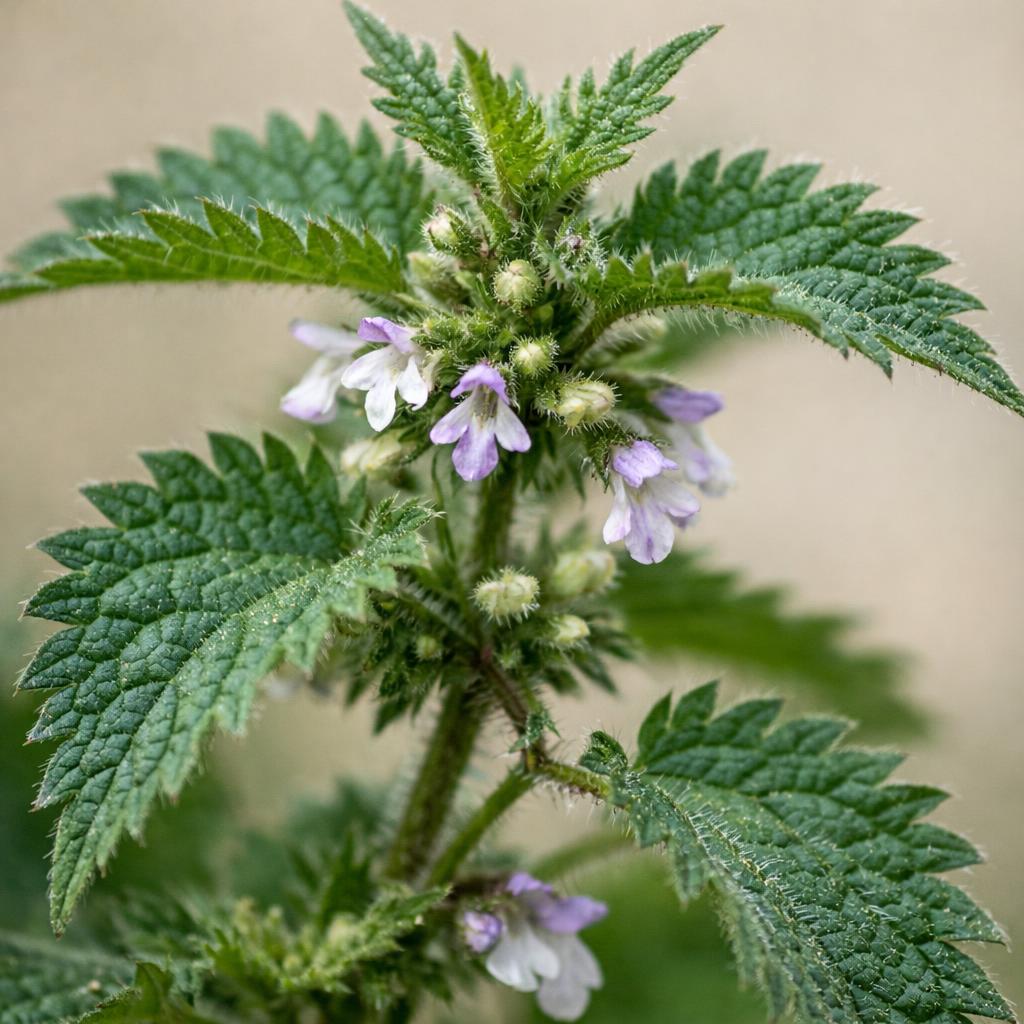
Meet Stinging Nettle
A Familiar Wild Green With a Sting
Fresh nettle leaves and stems are covered with fine stinging hairs, so harvesting requires care. Once properly dried or cooked, nettle is traditionally used as a leafy herbal tea and food plant.
A Long History as a Spring Green
Nettle has been gathered in traditional food and herbal practices as a cooked green and as a dried leaf for tea and longer water infusions.
Why Herbalists Reach for Nettle Leaf
This Page Focuses on the Leaf
Nettle Leaf
The dried leaf is used for teas and long infusions, while young fresh leaves may be cooked as food. Handle fresh plants carefully because the stinging hairs remain active until properly processed.
Nettle Root Is Different
Nettle root is a separate herbal material with different traditional uses and preparation methods. Do not substitute root for leaf in a leaf recipe simply because both come from the same plant.
Ways to Prepare Nettle Leaf
Herbal Tea
Steep dried nettle leaf in hot water for a straightforward herbal tea, then strain before drinking.
Long Infusion
A traditional “nourishing infusion” uses a larger amount of dried nettle leaf and a longer steep than an ordinary cup of tea. Follow a specific recipe for the amount of herb and steeping time rather than assuming every tea should be prepared this way.
Cooked Food
Young nettle leaves may be cooked thoroughly and used in soups, broths, or other cooked dishes. Do not handle or eat fresh stinging leaves as though they were an ordinary salad green.
Fresh-Made Hair Rinse
Steep dried leaf in hot water, strain carefully, cool completely, and use the liquid fresh as a hair rinse rather than storing it like an oil or tincture.
Why There Is No Infuzium Oil Time Here
Water Preparations Make More Sense Here
The main preparations featured on this Gathered Remedies page are tea, longer water infusion, cooked food, broth, and fresh-made rinse.
No Forced Plant-Part Setting
Although nettle is a leaf, this page does not automatically assign it the general 110°F leaf-oil setting. A plant-part category should not imply that an oil infusion is the preferred preparation for every herb.
Good to Know
Nettles in Scripture
Nettles are mentioned in Scripture in descriptions of neglected or overgrown places. On a garden page, they can also serve as a reminder that even plants we first notice for their sting can have a useful place when handled with knowledge and care.
Guides & Tools
Practical herbal education, infused oils, natural wellness tools, and home apothecary resources designed to help you create effective herbal remedies with confidence.
Privacy Policy
Terms & Conditions
Disclaimer
Affiliate Disclosure
Medical Disclaimer
Returns/Refund Policy
Contact
YouTube
Email Newsletter
© 2026 Gathered Remedies • All Rights Reserved
Educational purposes only.
This website does not provide medical advice.
“Helping modern herbalists create practical remedies through infused oils, herbal education, and home apothecary tools.”